How will organic food and farming change under Biden?
Organic food and farming: After 4 years of regressive agricultural policies under the Trump presidency, what will Biden administration do to rekindle the cause of regionally grown, organic food?

Organic food and farming: After 4 years of regressive agricultural policies under the Trump presidency, what will Biden administration do to rekindle the cause of regionally grown, organic food?
To inspire its younger residents to eat more heathily while having fun in the process, the BioMetropole Nürnberg has dedicated a section of its website to primary-age children.
In January 2021, the BioBitte initiative started publishing a series of portraits to showcase municipal and public kitchens that have successfully increased the share of organic food
On 19 January, the UK-based organic food partnerships network, Sustainable Food Places, launched an initiative to provide grants to SFP members in deprived areas in England that have been hit hard by Covid-19.
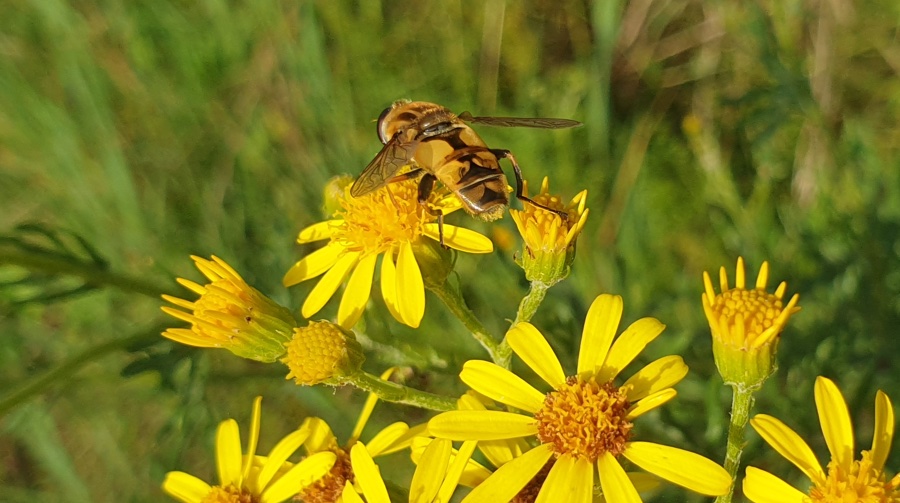
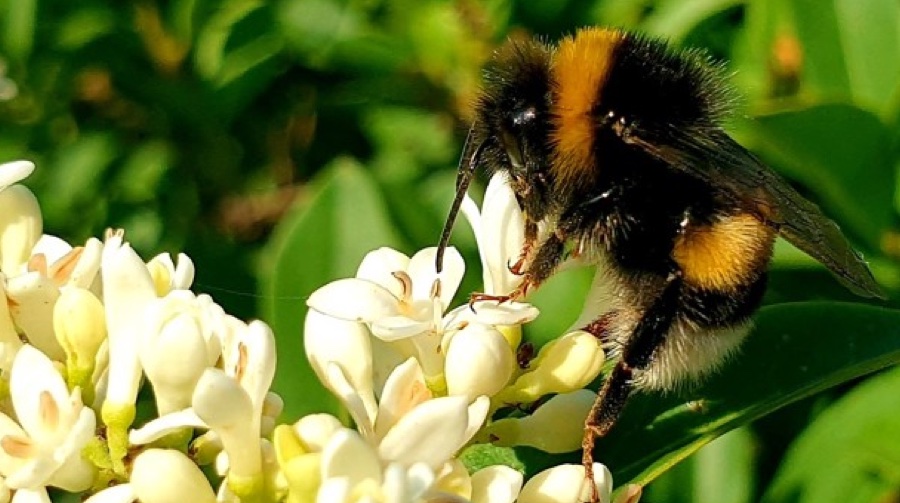
We have long since recognized the need to save bees from disease and pollution and are keenly aware that this requires education as well as political action. Biodorf Seeham has - literally - gone an innovative route and created the Bee Experience Trail - education and family fun in one. With the support community and ...Read More
In 2015, the City of Paris set itself the target of achieving 50% sustainable food in its 1,300 community restaurants by 2020. So, how did it get on?
What is the Farm to Fork Strategy, what are its goals and what does it mean for farmers, the fishing community and members of the public?
On 5 February 2021, the Italian organic district, Bio-Distretto Cilento, is hosting a free online workshop on best practices in organic beekeeping, drawing in bee experts from across Europe.
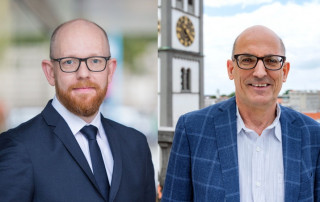
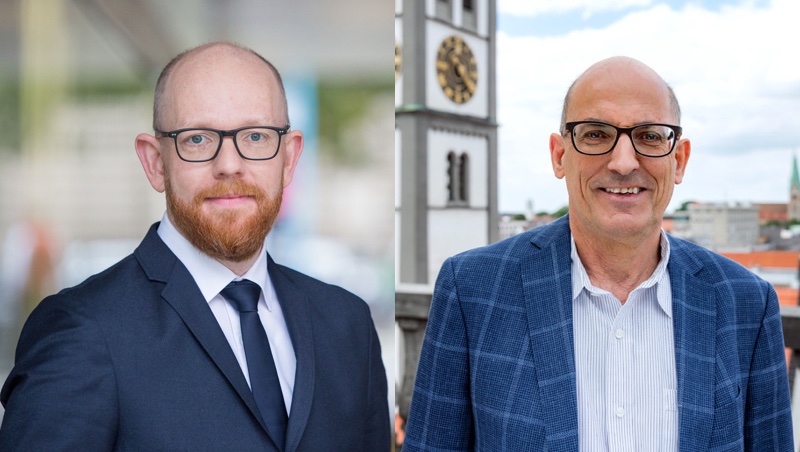
On November 23, 2020, at this year’s autumn meeting, the German Bio-Städte network appointed two new spokespersons. Ronny Meyer, the State Councillor for Environment and Transport from Bremen, and the Augsburg-based Reiner Erben, Officer for Sustainability, Environment, Climate and Health, were chosen to represent the 21 German organic cities. The new dual leadership bridges the ...Read More
In an extensive interview, Italian Democratic party MEP, Paolo de Castro, explores the issue of the CAP and Next Generation EU funding for Italian farmers.